
Millions of women quietly manage bladder leaks every day — but more are now talking openly about what's helping them.
If you've ever crossed your legs at a sneeze, avoided the trampoline at your grandkids' birthday, or planned every outing around where the nearest bathroom is — you already know how quietly exhausting bladder leaks can be. And you are far from alone. What you may not know is that a growing number of women are finding meaningful relief through a combination of everyday habits and a new kind of pelvic support tool that's getting a lot of attention from women's health specialists.
Urinary incontinence affects an estimated 1 in 3 women at some point in their lives, yet the vast majority never speak to a doctor about it — and even fewer know that simple, consistent lifestyle adjustments can make a noticeable difference. In this article, we'll walk through some of the most commonly recommended habits and foods that women are incorporating into their daily routines, and explain what's behind the growing excitement around targeted pelvic floor support.

Many women are rediscovering confidence and comfort through consistent, targeted daily routines.
Source: Abrams P, et al. Neurourol Urodyn. 2017. PMID: 27927594
"The pelvic floor is a group of muscles — and like any muscle in the body, it responds to consistent, targeted engagement. The good news is that even small daily changes can support its function over time."
Everyday Habits That Support Pelvic Floor Wellness
Rethink Your Relationship With Water
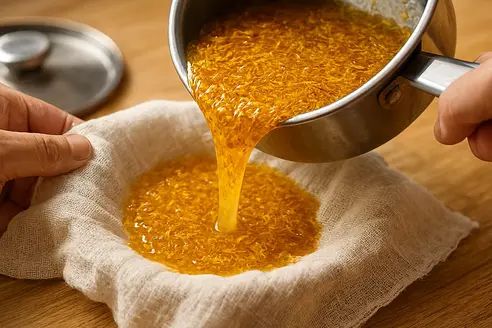
It sounds counterintuitive, but drinking less water is one of the most common mistakes women with bladder leaks make. When the body is under-hydrated, urine becomes more concentrated — which can actually make the bladder more sensitive and reactive, increasing the feeling of urgency. Staying consistently well-hydrated throughout the day (rather than gulping large amounts at once) helps keep urine more diluted and the bladder more comfortable.
Spacing fluid intake evenly and reducing intake a couple of hours before bed are two small scheduling adjustments that many women report making a noticeable difference to overnight comfort. Avoiding known bladder irritants like caffeine and alcohol can also help reduce urgency signals.
📖 Hashim H, Abrams P. Neurourol Urodyn. 2008 — Fluid management in lower urinary tract symptoms. PMID: 23928869
Bananas & Milk: A Surprisingly Supportive Pair
Bananas are rich in potassium — a mineral that plays a key role in normal muscle and nerve function throughout the body, including the muscles of the pelvic floor. Because bladder leaks are closely connected to how well the muscles around the bladder and urethra contract and relax, maintaining adequate potassium through the diet is something worth paying attention to. Bananas are also gentle on the bladder compared to acidic or caffeinated foods.
Paired with milk — which provides calcium and vitamin D — this simple combination supports overall muscle health. Research suggests that calcium may play a role in the normal signalling processes in bladder muscle cells, and many women find that a diet with adequate calcium is associated with better day-to-day comfort.
📖 Dallosso HM, et al. Eur Urol. 2004 — Diet, physical activity and urinary incontinence. PMID: 20418551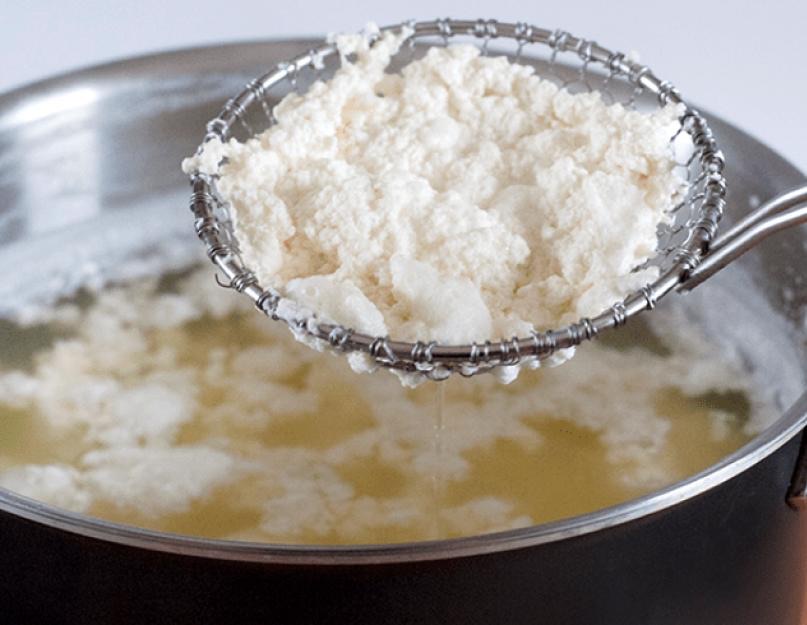
Dairy & Calcium: Supporting Muscle Function From Within
Calcium is best known for bone health, but its role in muscle function is equally important. Every muscle contraction in the body — including those of the pelvic floor — depends on calcium signalling. Getting adequate calcium through food sources like milk, yoghurt, and cheese means providing the body with the raw material it needs for healthy muscle engagement.
An observational study published in the European Journal of Nutrition found that women with higher dairy intake tended to report better urinary control compared to those with lower intake, though individual factors vary widely. Combining dairy with weight-bearing activity and adequate vitamin D intake appears to offer the most balanced support for pelvic muscle wellbeing.
📖 Townsend MK, et al. J Urol. 2013 — Diet quality and risk of urinary incontinence in US women. PMID: 24126532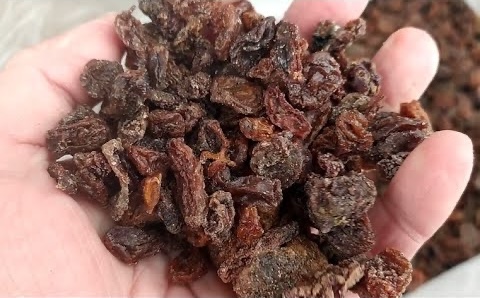
Raisins: Small Snack, Big Nutritional Value
Raisins are a convenient and often overlooked source of magnesium — a mineral that many women don't get enough of, and one that's closely tied to muscle relaxation and normal nerve function. Magnesium helps muscles recover after contraction, which is particularly relevant for the pelvic floor muscles, which are in near-constant low-level use throughout the day.
Research has explored the relationship between magnesium and bladder function, with some findings suggesting that adequate magnesium may help with bladder muscle relaxation and overall urinary comfort. Raisins are also a good source of fibre, which helps maintain healthy bowel function — and because constipation puts significant downward pressure on the pelvic floor, keeping digestion regular is a meaningful part of pelvic wellness management.
📖 Guerrero-Romero F, et al. Magnes Res. 2014 — Magnesium in muscle function. PMID: 25551903
What to Limit: Fried, Spicy & Processed Foods
Not everything dietary is about adding — sometimes it's about gently reducing. Fried and heavily processed foods often contain high levels of saturated fat and sodium, both of which are associated with increased inflammation in the body and, in some individuals, heightened bladder sensitivity. Spicy foods in particular are commonly reported as a trigger for increased urgency and frequency in women who already experience bladder discomfort.
This doesn't mean eliminating these foods entirely — but many women notice that on days when they eat lighter, less processed meals, their bladder feels considerably more comfortable and predictable. Keeping a simple food-and-bladder diary for a couple of weeks can be a revealing way to identify which specific foods seem to coincide with more difficult days.
📖 Friedman AJ, et al. Int Urogynecol J. 2012 — Diet and bladder symptoms. PMID: 29090920
Load Up on Vegetables: Fibre Is a Pelvic Floor Friend
A diet rich in vegetables provides fibre, antioxidants, and anti-inflammatory compounds — all of which contribute to general wellbeing and, importantly, to digestive regularity. This matters more than most people realise: chronic constipation increases pressure on the entire pelvic region, stressing the muscles and connective tissue that support the bladder and urethra. Women who make fibre a consistent priority often report that their pelvic floor feels less under strain on a day-to-day basis.
Beyond fibre, vegetables like leafy greens, courgette, and sweet potato are gentle on the bladder and provide a wide range of vitamins and minerals that support muscle integrity. Even modest increases in daily vegetable intake — an extra portion at lunch and dinner — can make a cumulative difference over weeks and months.
📖 Subak LL, et al. JAMA Intern Med. 2009 — Weight loss and urinary incontinence in overweight women. PMID: 21030426
Staying Dry & Confident: The Lifestyle Layer
Managing bladder leaks well isn't just about what you eat or drink — it's also about the practical choices that keep you feeling confident and comfortable throughout the day. Women who take a proactive, layered approach — combining dietary adjustments, pelvic floor awareness exercises, and smart lifestyle choices — tend to report significantly better quality of life compared to those who rely on any single approach.
Simple things like choosing breathable, moisture-wicking fabrics, maintaining a healthy weight (which reduces downward pressure on the pelvic floor), practising timed bathroom visits, and staying physically active all contribute to an environment in which the pelvic floor muscles can function at their best. Many women also find that stress management and adequate sleep have a meaningful impact on bladder behaviour — the nervous system plays a surprisingly large role in bladder control.
📖 Bo K, et al. Cochrane Database Syst Rev. 2015 — Pelvic floor muscle training for urinary incontinence in women. PMID: 26940409While Daily Habits Make a Real Difference…
Diet, hydration, and lifestyle changes can meaningfully support your pelvic floor wellbeing — and they're absolutely worth building into your routine. But many women find they want additional, targeted support for their pelvic floor muscles — something that goes beyond passive dietary choices and offers consistent, active engagement day after day. That's where a new category of at-home pelvic floor wellness tools is creating a lot of conversation — and one device in particular is standing out.
Introducing
The At-Home Pelvic Floor Support Tool Women Are Talking About
The PelviTone™ is designed to guide and support pelvic floor muscle engagement through gentle muscle stimulation — making it easier for women to activate the right muscles consistently and correctly. Many women struggle with traditional Kegel exercises simply because it's hard to know whether you're engaging the right muscles; PelviTone™ addresses this directly by strengthening the mind-muscle connection over time.
The device also incorporates a soothing heat therapy function, which supports local circulation and may help muscles feel more comfortable after use. With five adjustable timer settings and a design suited to all body types, it fits into a consistent daily routine — and with regular use three times per day, most women using PelviTone™ begin to notice a shift in their day-to-day comfort within 6–8 weeks.
- Gentle muscle stimulation to guide correct pelvic floor engagement
- Soothing heat therapy to support muscle recovery and local circulation
- 5 adjustable timer settings — fits any schedule
- Designed for all body types
- Builds the mind-muscle connection, making consistent engagement easier
- Helps reduce that heavy, dragging sensation over time with consistent use
Not available on Amazon or eBay. · pelvitone.purivon.com